Why Is Water Coming Through My Basement Walls After Heavy Rain?

If you’ve noticed water on your basement walls during or after a storm, you’re dealing with one of the most common home issues in Birmingham and across Alabama. It usually comes down to pressure, drainage, or entry points somewhere around your foundation. The good news is that once the actual cause is identified, the fix can be targeted and lasting. At Deep South Construction Pros, we help homeowners figure out exactly where water is getting in and why.

Heavy Rainfall And Storm

What’s Happening Behind Your Basement Walls

When heavy rain hits, the soil surrounding your foundation absorbs water quickly. In Alabama, where clay-heavy soil is common, that ground doesn’t drain the way sandy or loamy soil would. Instead, it holds moisture and swells, pressing tightly against your basement walls. The more saturated the soil gets, the more pressure builds against the foundation.

That pressure is called hydrostatic pressure, and it’s the main reason basements leak after storms. When the pressure is high enough, water finds its way through any available path, whether that’s a hairline crack, a porous section of block, or the joint where the wall meets the floor.

This is also why the problem tends to show up specifically after heavy rain rather than during lighter showers. Light rain may not saturate the soil enough to create meaningful pressure. But when Birmingham gets hit with a few inches in a short window, the volume overwhelms the ground’s ability to absorb and drain, and that’s when basements take on water.


The Importance Of Drainage

Grading, Gutters & Downspouts

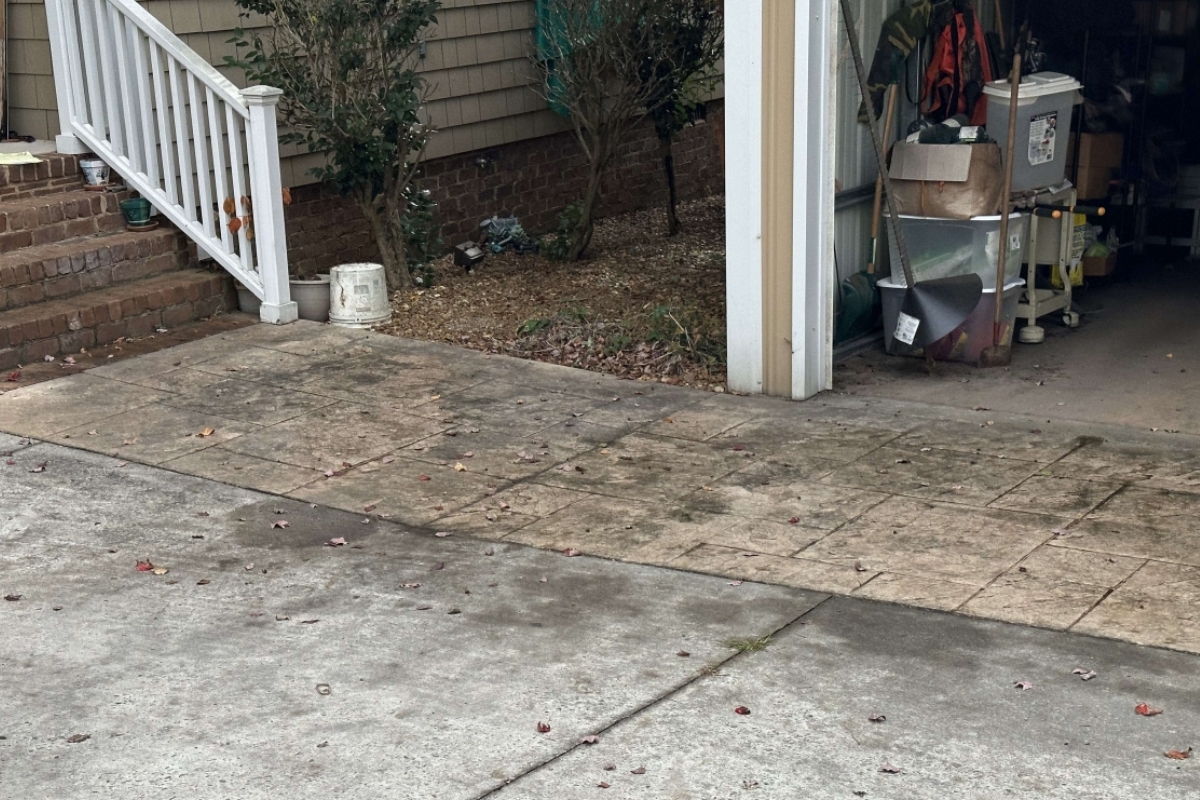
Before looking at the foundation itself, it’s worth checking what’s happening outside your home. In many cases, the amount of water reaching your basement walls is made worse by conditions that can be observed from the yard:

  • Yard grading that slopes toward the house instead of away from it
  • Gutters that are clogged, damaged, or missing entirely
  • Downspouts that discharge water within a few feet of the foundation

Each of these factors increases the volume of water that collects around your foundation after a storm. When roof runoff dumps directly next to the walls, or when the ground funnels surface water inward, the soil saturates faster and hydrostatic pressure builds sooner.

These are often the first things worth evaluating because they’re sometimes correctable without major waterproofing work. That said, fixing gutters or regrading alone won’t always solve the problem if pressure or structural entry points are already in play.

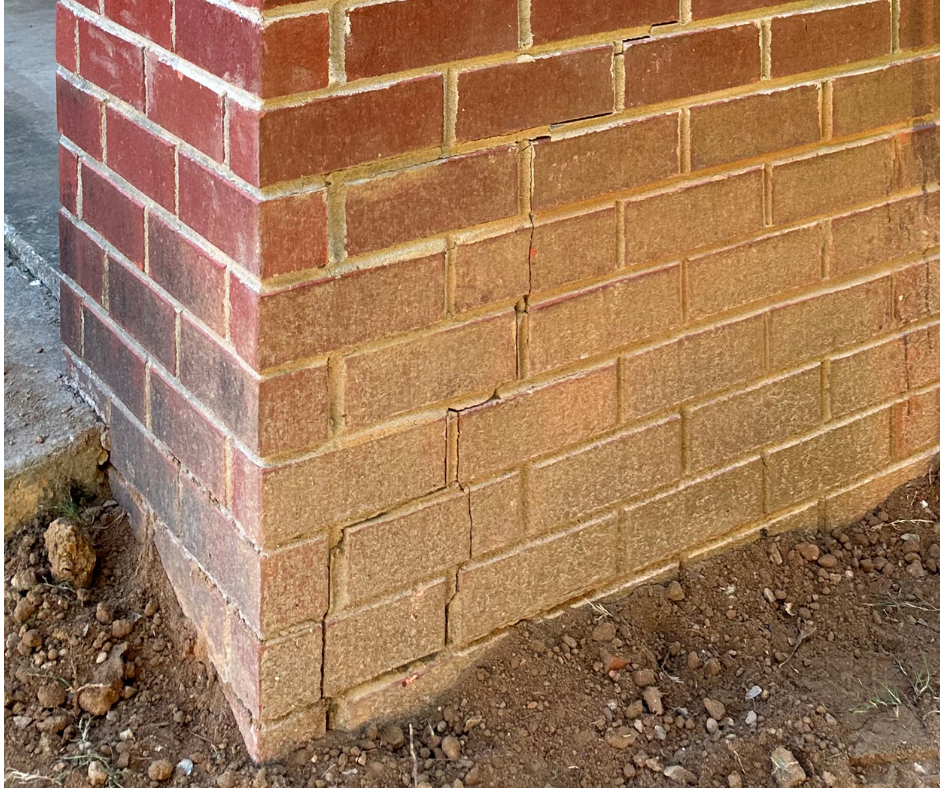
Hairline cracks in brick wall indicating early signs of foundation settlement

Cracks & Wall Penetrations That Let Water In

Once pressure builds, water needs a path through the wall. Foundation cracks are the most obvious entry point. Vertical cracks, horizontal cracks, and stair-step cracks in block walls can all allow water through, especially when the soil behind them is saturated.

But cracks aren’t the only way water gets in. The wall-floor joint (where the basement wall meets the slab) is one of the most common leak paths because it’s a natural seam in the structure. Pipe penetrations, utility openings, and window wells can also allow water entry. In some cases, the wall itself is porous enough (especially older block foundations) that water seeps through slowly without any single visible crack. Some entry points are easy to spot. Others aren’t visible without a closer inspection, which is part of why identifying the source matters before choosing a repair method.

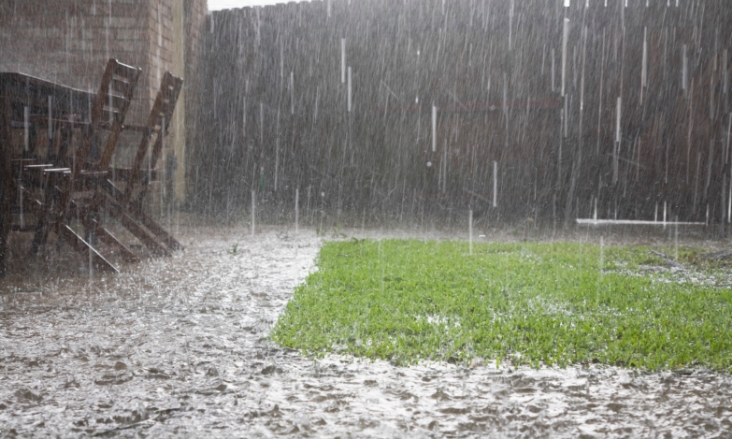
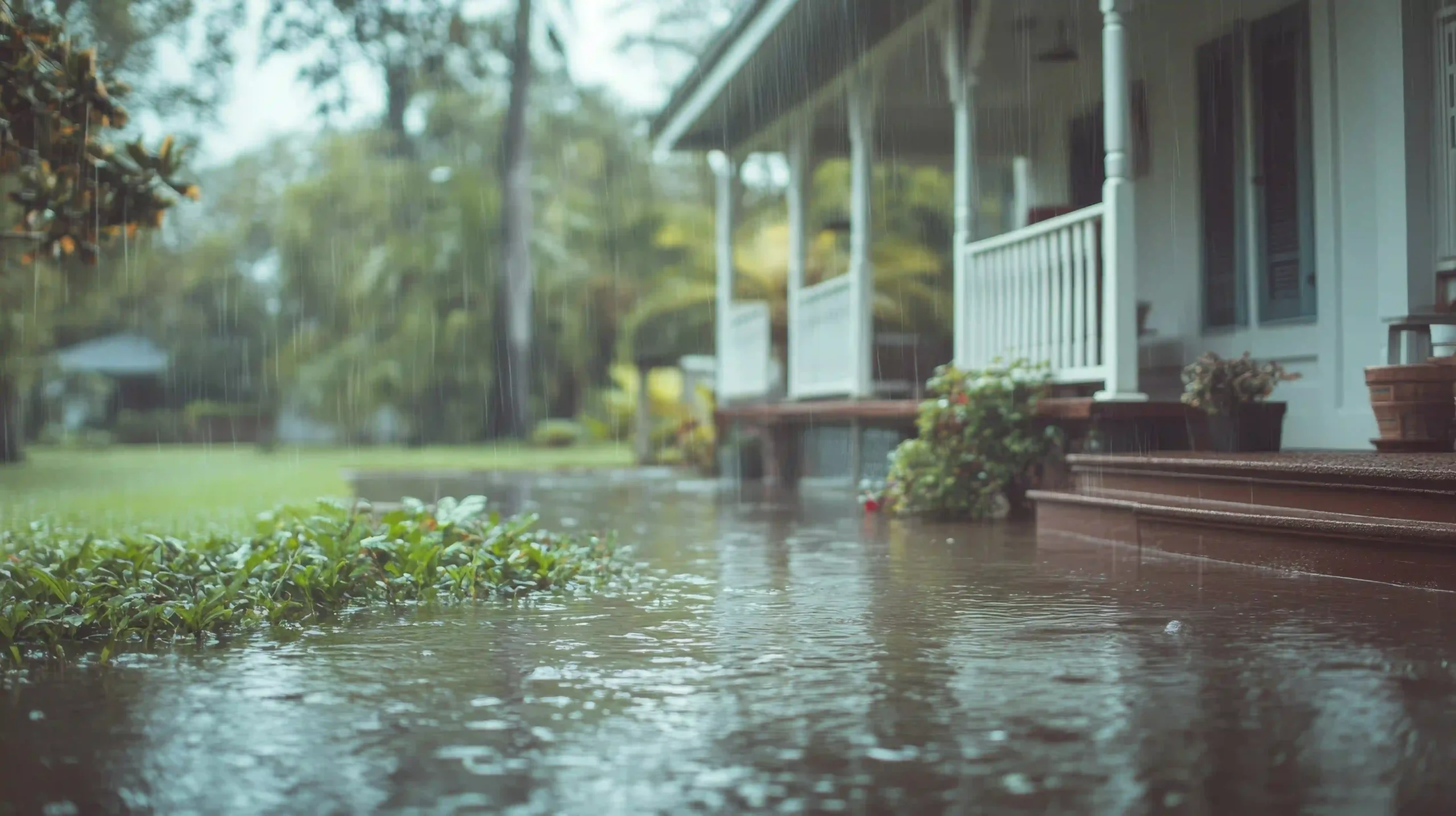
Heavy rainfall

Interior vs. Exterior Water Entry: What’s the Difference?

Exterior water entry is water being pushed through the foundation wall by soil and groundwater pressure. It usually correlates with rain. You’ll notice it during or within a day after storms, and it often appears in consistent locations along the wall or floor joint.

Interior sources can look similar but behave differently. Plumbing leaks, HVAC condensation, or humidity-driven condensation on cool walls can all create moisture that mimics a leak. The key difference is timing: if the moisture appears regardless of weather, or shows up in spots unrelated to the foundation perimeter, it may not be a waterproofing issue at all. An inspection helps sort this out so you’re not paying to waterproof a wall when the real problem is a slow pipe leak on the other side of the room.

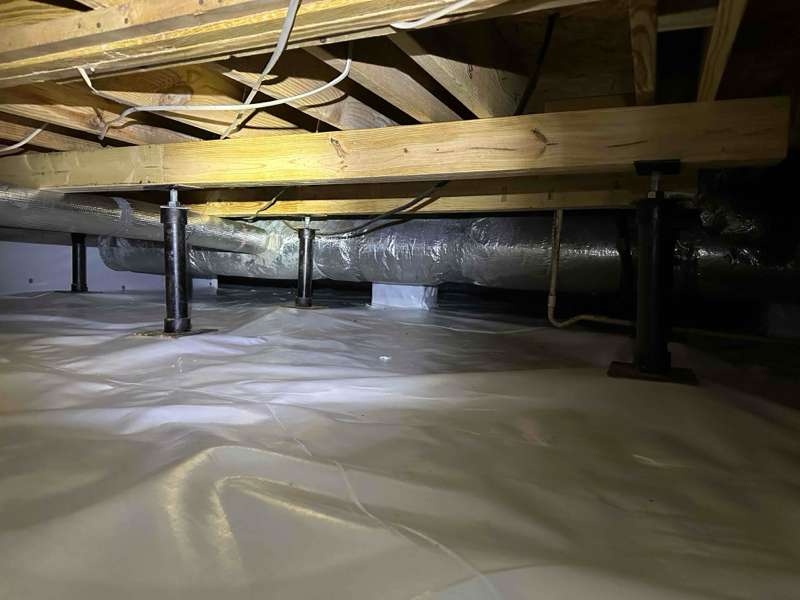
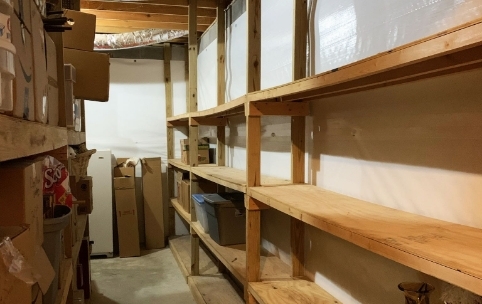
Basement Waterproofing | Deep South Construction Pros | Alabama | After Basement Waterproofing

Why Paint, Sealers & DIY Fixes Usually Don’t Last

It makes sense that homeowners try surface-level fixes first. Waterproof paint, brushed-on sealers, and interior caulk are inexpensive and available at any hardware store. For minor cosmetic dampness, they can sometimes buy time. But for active leaks driven by hydrostatic pressure, they rarely hold.

The issue is that these products sit on the interior surface of the wall. They don’t reduce the pressure behind it. Water under pressure will eventually push through the coating, find a new path, or cause the sealer to bubble and fail. In some cases, sealing a visible crack from the inside without addressing drainage simply redirects the water to the next weakest point. If you’ve tried a surface fix and the water keeps showing up, it usually means the underlying pressure or entry condition is still active and needs to be addressed from the source.

FAQs About Water Coming Through Basement Walls

Is water through basement walls always a serious problem?

Not always, but it should be evaluated if it happens more than once or if you see staining, mold, or damage. Repeated water entry typically gets worse over time, not better.

Can this cause mold or structural damage if I wait?

Yes. Persistent moisture creates conditions for mold growth and can deteriorate finishes, wood, and even the foundation material itself over time.

Does homeowners insurance cover basement water intrusion?

In most cases, gradual seepage or drainage-related leaks are not covered. Sudden events like a burst pipe may be. Check your specific policy for details.

How much does it cost to fix water coming through basement walls?

Cost depends on the cause, the size of the affected area, and which system is needed. A free inspection provides a clear diagnosis and estimate specific to your home.

When To Get Your Basement Inspected


 If water has come through your basement walls more than once after rain, or if you can see evidence of past water events even when things look dry now, it's worth getting a professional evaluation. A free inspection identifies where water is entering, what's driving it, and what it would take to fix it properly.

Deep South Construction Pros serves homeowners across Alabama and Southern Tennessee. There's no obligation and no pressure. Just honest findings and a clear plan. 

Call us today for your free inspection.

State
You agree to receive informational messages (appointment reminders, account notifications, etc.) from Deep South Construction Pros at the number provided. Msg & data rates may apply. Msg frequency varies. Unsubscribe at any time by replying STOP and no further messages will be sent. Reply HELP for help or email us at services@deepsouthconstructionpros.com Our Privacy Policy Page
You agree to receive informational messages (appointment reminders, account notifications, etc.) from Deep South Construction Pros at the number provided. Msg & data rates may apply. Msg frequency varies. Unsubscribe at any time by replying STOP and no further messages will be sent. Reply HELP for help or email us at services@deepsouthconstructionpros.com
Our Privacy Policy Page