Sump Pump vs. Exterior Drainage: Which Solution Does Your Alabama Home Need?

If your basement or crawl space takes on water, you’ve probably started researching solutions and landed on two main options: a sump pump or exterior drainage. The truth is, neither one is universally “better.” The right choice depends on how water is reaching your foundation, where it’s collecting, and what your property looks like. In Birmingham and across Alabama, where clay soil and heavy seasonal rain are standard, this is one of the most common questions homeowners ask. At Deep South Construction Pros, we help homeowners understand which approach fits their home before any work begins.

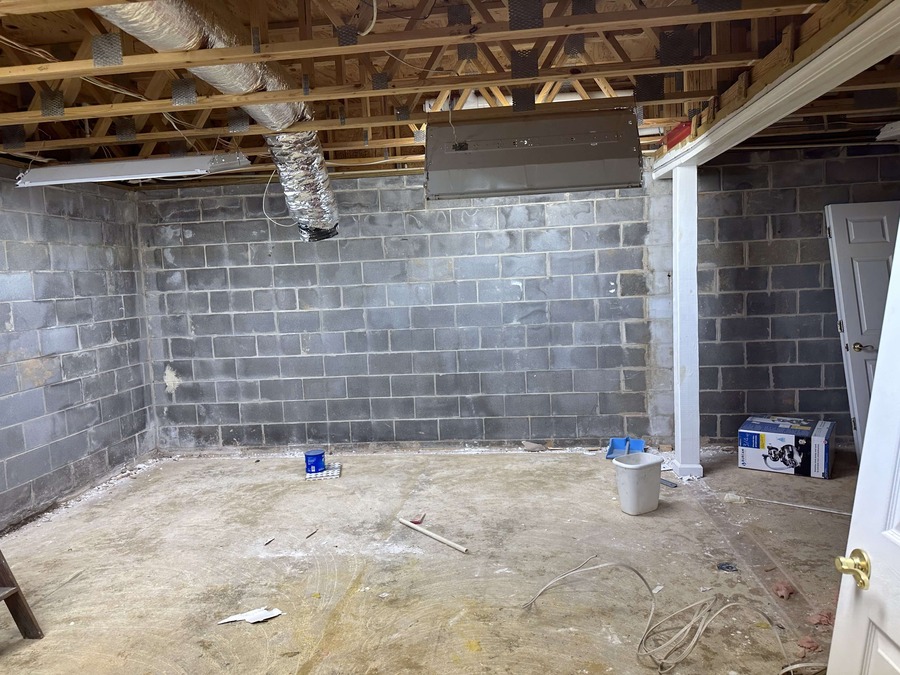
Basement Sump Pump

What a Sump Pump Does & Doesn’t Do

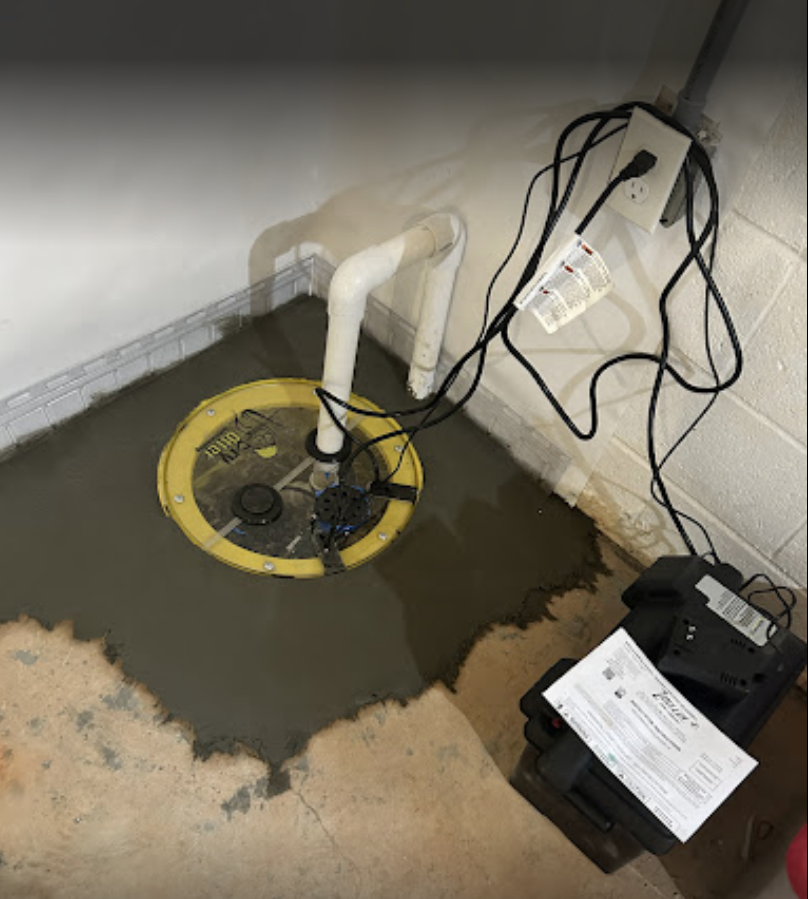
A sump pump is a water removal device. It sits in a basin (called a sump pit) at the lowest point of your basement or crawl space. When water collects in the basin, the pump activates and pushes that water out through a discharge line, away from the foundation. It’s reliable, mechanical, and effective at keeping collected water from sitting under your home.

What a sump pump does not do is stop water from reaching your foundation in the first place. It manages water after it arrives. If your basement takes on water during storms and you install a pump without addressing how that water is getting in, the pump will run, sometimes constantly. It’s doing its job, but it’s treating the result rather than the source. For homes in areas where power outages coincide with storms (which is common in Alabama), battery backup systems can keep the pump running when the grid goes down.

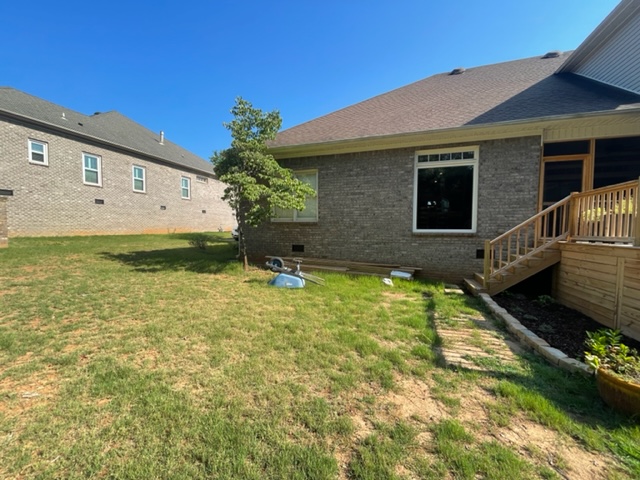
Exterior Drainage and Dirt Work | Deep South Construction Pros | Alabama

What Exterior Drainage Solves

Exterior drainage takes a different approach. Instead of removing water after it enters, it redirects water before it reaches the foundation. This can include French drains (perforated pipes installed in gravel trenches that intercept groundwater), grading corrections that reshape the yard’s slope, and downspout extensions that carry roof runoff farther from the house.

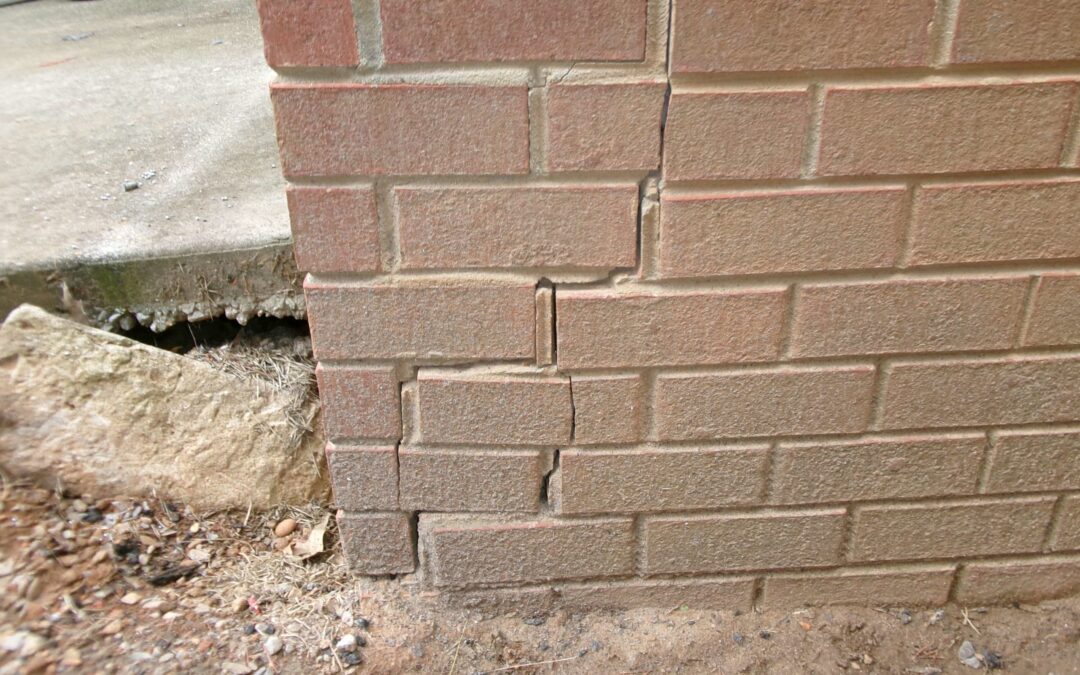
For homes where the primary issue is surface water running toward the foundation, or where the lot sits lower than surrounding properties, exterior drainage can make a significant difference. In parts of Birmingham where older neighborhoods were graded decades ago and drainage patterns have shifted over time, correcting the exterior water path is often the most direct way to reduce the volume of water that ever reaches the walls. That said, exterior work alone may not be enough if hydrostatic pressure from deep groundwater is also a factor.

High Baptist Church Waterproofing Deep South Before 2

Interior Drainage: Where It Fits In

Interior drainage systems offer a middle path. Installed along the interior perimeter of the basement, these systems capture water at the wall-floor joint (one of the most common entry points) and channel it to a sump pump for removal. The water is intercepted and managed before it spreads across the floor.

In Alabama, interior drainage is often a strong option because our clay soil can make exterior excavation more involved and expensive. When water entry is primarily pressure-driven (coming through the wall-floor seam or through porous block under hydrostatic load), an interior system paired with a sump pump can provide effective, long-term basement waterproofing without major disruption to the yard or landscaping. It’s not a lesser option. It’s a different approach for a different set of conditions.

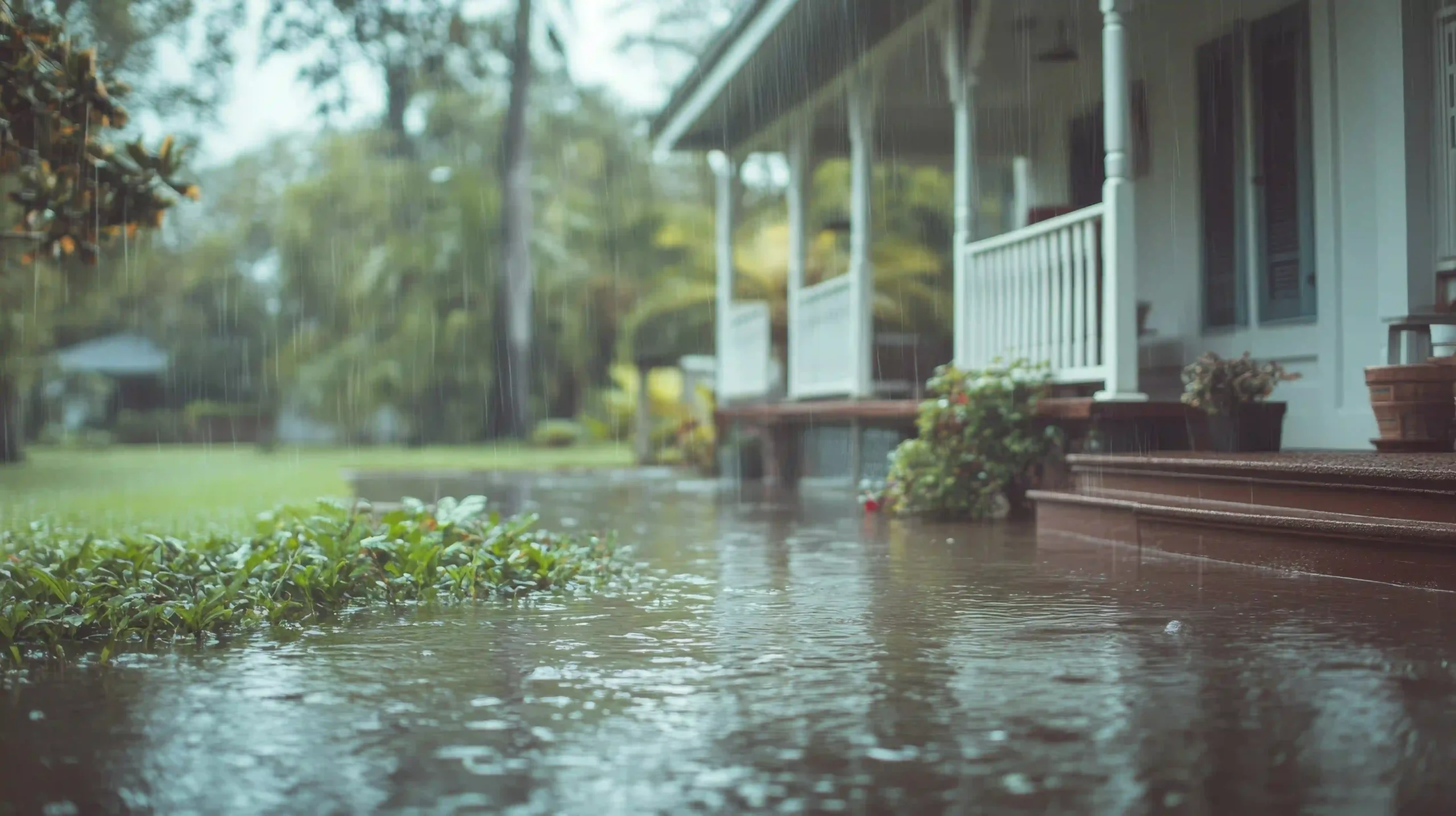
Heavy rainfall

When Your Home Needs Both

Many homes in Alabama deal with more than one water issue at the same time. Surface runoff from a poorly graded yard can saturate the soil, which then creates hydrostatic pressure against the walls, which then pushes water through cracks or the wall-floor joint. In that scenario, exterior drainage alone might reduce the volume, and interior drainage alone might manage what gets through, but combining both gives the most complete protection.

A sump pump without drainage means the pump runs constantly because water keeps arriving with nowhere else to go. Drainage without a pump means collected water sits in the system with no way to exit. The two are designed to work together. That said, not every home needs the full combination. Some homes only need grading corrections and gutter management. Others need an interior system and pump. The point is that the answer should come from evaluating your specific conditions, not from a one-size recommendation.

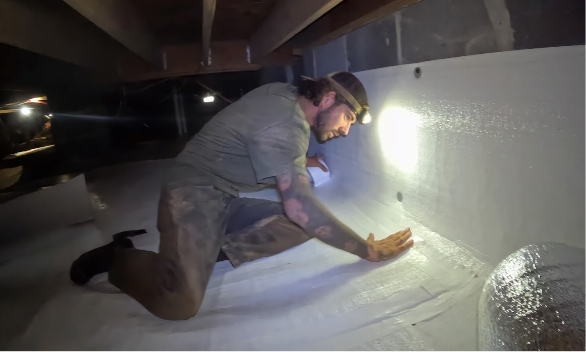
Inspect And Assessment

Why the Right Answer Starts With an Inspection

It can be difficult to tell which waterproofing solution is right for your home. The answer often depends on things you can’t assess from inside your living room: soil saturation patterns, foundation condition, lot grading, groundwater behavior, and where exactly water is entering. Two homes on the same Birmingham street can have completely different water problems requiring completely different solutions.

Deep South Construction Pros inspects before recommending. We evaluate drainage conditions outside, water entry points inside, foundation integrity, and the behavior of water around your specific property. After the inspection, you get a clear explanation of what’s happening and a recommendation based on what we actually found. Not a sales pitch for whatever system has the highest margin. The inspection is free, and there’s no obligation to move forward.


FAQs About Sump Pumps & Drainage in Alabama

How much does sump pump installation typically cost?

Cost varies based on the type of pump, whether a basin needs to be installed, and whether it’s part of a larger drainage system. A free inspection provides a specific estimate for your situation.

How often does a sump pump need maintenance?

Annual maintenance is recommended: testing the pump, clearing the basin, and checking the discharge line. Most pumps last 7 to 10 years with proper care.

Is a French drain better than an interior drain system?

Neither is universally better. French drains intercept water outside before it reaches the foundation. Interior systems manage water that’s already entering. The right choice depends on where your water problem originates.

Do Alabama homes need sump pumps even if they've never flooded?

If you’re seeing dampness, humidity, or water stains without full flooding, a pump paired with drainage may still be appropriate. Not all water problems look like standing water.

Find Out Which Solution Fits Your Home


The best waterproofing system is the one that matches how water actually behaves around your property, not the one that sounds good on paper. A free inspection removes the guesswork and gives you a clear path forward.

Deep South Construction Pros serves homeowners across Alabama and Southern Tennessee with honest recommendations and no pressure to commit. If water is showing up where it shouldn't, let's figure out why and what it takes to stop it.

Schedule a Free Inspection

State
You agree to receive informational messages (appointment reminders, account notifications, etc.) from Deep South Construction Pros at the number provided. Msg & data rates may apply. Msg frequency varies. Unsubscribe at any time by replying STOP and no further messages will be sent. Reply HELP for help or email us at services@deepsouthconstructionpros.com Our Privacy Policy Page
You agree to receive informational messages (appointment reminders, account notifications, etc.) from Deep South Construction Pros at the number provided. Msg & data rates may apply. Msg frequency varies. Unsubscribe at any time by replying STOP and no further messages will be sent. Reply HELP for help or email us at services@deepsouthconstructionpros.com
Our Privacy Policy Page