Crawl Space Causes of Sagging or Bouncy Floors
This is the most common reason floors start to feel off, especially in homes with crawl space construction (which covers a large percentage of homes in Alabama and Tennessee).
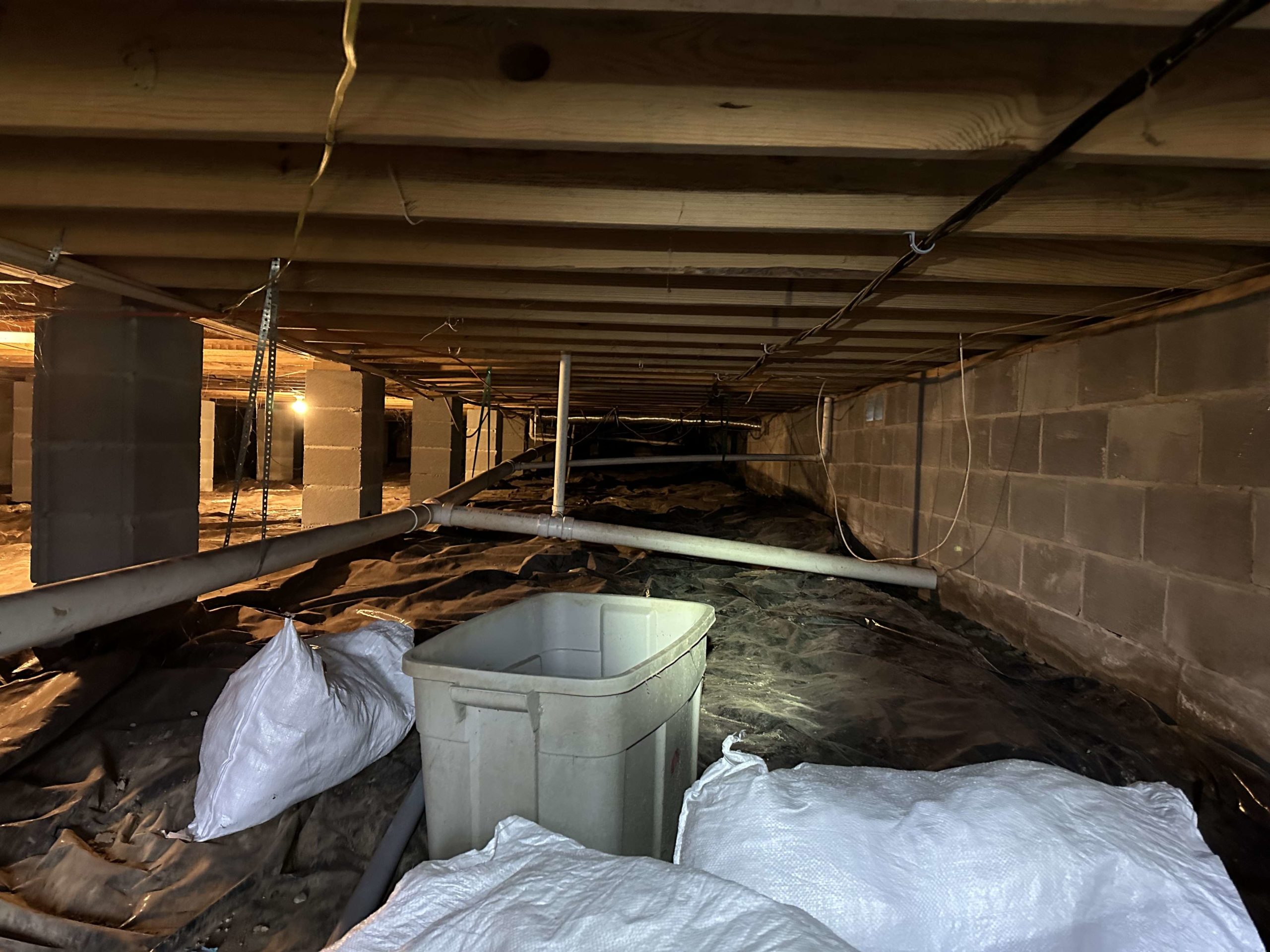
The floor system in your home is supported by joists, beams, and posts inside the crawl space. When moisture gets into that space and stays there, it starts to break down the wood. Floor joists absorb humidity, soften over time, and eventually lose the strength to hold the floor flat. You might notice a bounce in the middle of a room, soft spots near certain walls, or a general feeling that the floor gives more than it should.
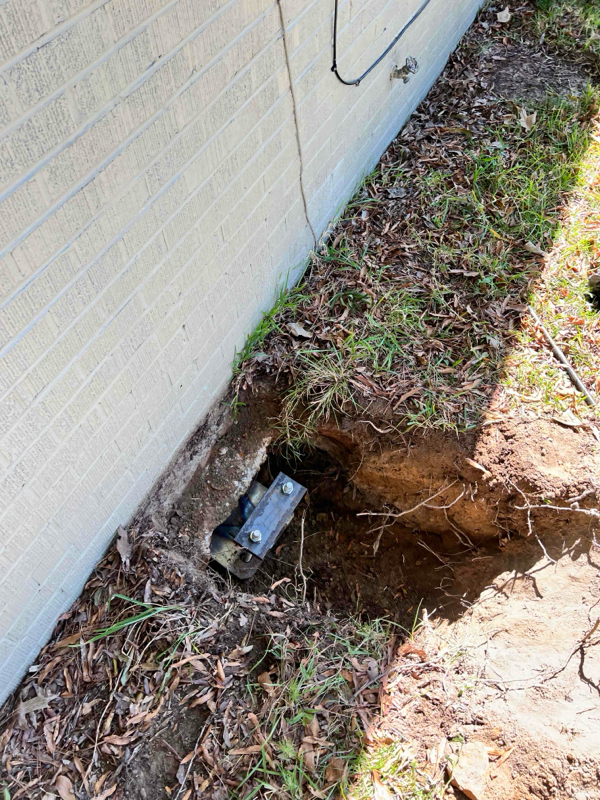
Beams and supports can also be part of the problem. If the main beams spanning the crawl space are undersized, damaged, or have started to rot, they’ll sag under load. Support posts can settle into soft, wet ground, especially in areas with clay soil that shifts with moisture. When a post drops even slightly, the beam it’s holding follows, and the floor above reflects it.
In places like Huntsville, Decatur, and Birmingham, crawl space moisture problems are common because of the combination of clay soil, seasonal rain, and high summer humidity. Homes with vented crawl spaces tend to be hit hardest, since humid outside air enters the cool crawl space and creates condensation on wood surfaces, pipes, and ductwork. Over months and years, that steady moisture leads to the kind of deterioration that shows up as sagging or bouncy floors.
See how we addressed sagging floors and mold damage in a Hartselle, AL home.