Concrete Lifting or Replacement: Which Fits Your Uneven Slab?

Maybe it started as a small lip where the driveway meets the garage. Now the sidewalk has a trip edge, or water sits against the house after every storm. You know something needs to be done. The real question is whether that concrete can be raised back into place or whether it’s time to tear it out and pour new.

Here’s how to think it through before anyone quotes you a price.

Exspanive Clay Soil

Why Concrete Sinks in the First Place

Concrete usually doesn’t sink because the concrete failed. It sinks because the ground under it moved.

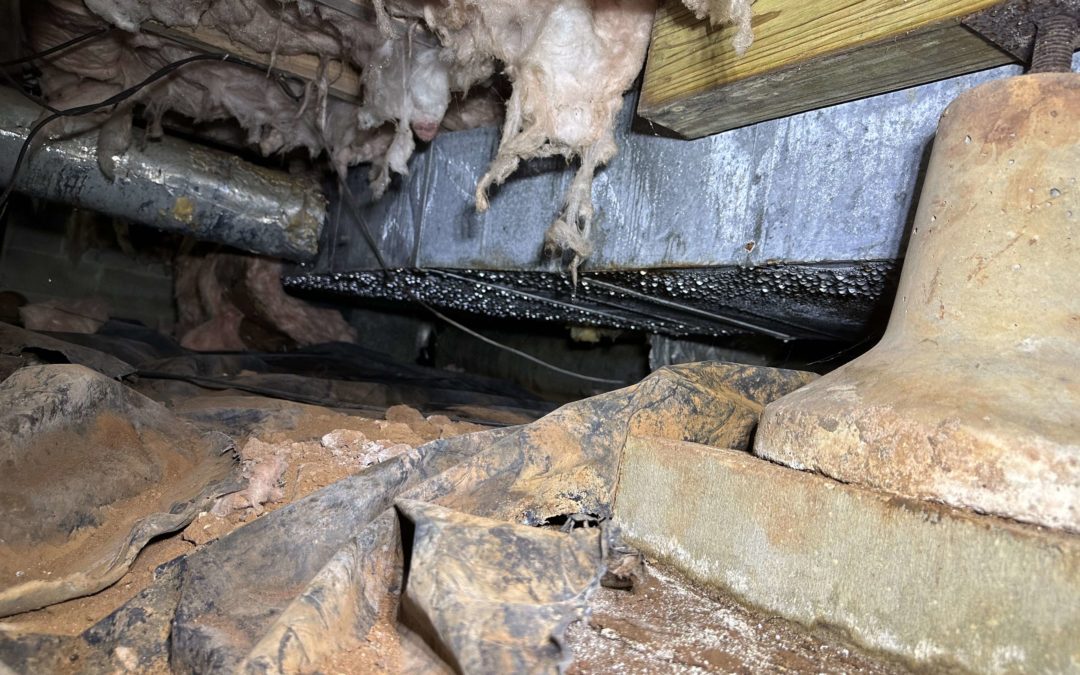
A lot of homes across north and central Alabama sit on clay-heavy soil that swells when it’s wet and shrinks as it dries. Heavy spring storms, downspouts that empty right beside a driveway, or fill dirt that was never compacted well can all leave gaps under the slab. With nothing holding it up, the concrete settles into the low spot.

That matters for your decision. Whether you lift or replace, the water problem underneath is still there unless someone deals with it. Sometimes the right plan includes a simple drainage fix, like extending a downspout or regrading the soil so water runs away from the slab.


Frontporch Before And After

What Poly Concrete Lifting Actually Does

Poly concrete lifting (you may also hear “polyjacking” or “foam leveling”) fills the empty space under a sunken slab and raises it back toward level. In plain terms:

  1. Small holes are drilled through the slab.
  2. A high-density polyurethane foam is injected underneath.
  3. The foam expands, fills voids, and lifts the slab.
  4. The holes are patched.

Because the slab stays in place, there’s no demolition and no hauling off broken concrete. A typical residential job may take just a few hours, depending on how many slabs need lifting, how far they’ve sunk, and how much empty space is underneath. The foam firms up quickly, so in many cases you may be able to walk on the concrete shortly after the crew wraps up and drive on it the same day. Your crew will let you know when it’s ready for traffic.

Concrete Services Deep Soouth Construction Pros 3

When Lifting Is Usually a Good Fit

Lifting makes sense when the concrete itself is in decent shape and the problem is mostly underneath it. Good signs include:

  • The slab sank as one piece. It dropped or tilted, but it isn’t shattered.
  • Cracks are few and clean. A crack or two is fine. A slab in a dozen pieces is a different story.
  • There’s a trip hazard or gap. Sidewalk lips, driveway sections that dropped at the garage, and steps that pulled away are common lifting jobs.
  • Water runs the wrong way. A patio or pool deck that now slopes toward the house can often be lifted to shed water again.
Concrete Services Deep South Construction Pros | Deep South Construction Pros | Alabama

When Replacement Is the Better Call

Lifting isn’t right for every slab, and an honest inspection should tell you when it isn’t. Replacement usually makes more sense when:

  • The concrete is breaking apart. Crumbling edges, deep spalling (the surface flaking off), or many broken pieces mean there’s no solid slab left to lift.
  • Tree roots are pushing it up. That’s heaving, not sinking. Foam can’t pull a slab down.
  • You want a new size, shape, or grade. Widening a driveway or changing how a patio drains calls for new concrete.
  • The slab was poorly built. Very thin concrete or concrete poured on a bad base may keep failing no matter how it’s supported.

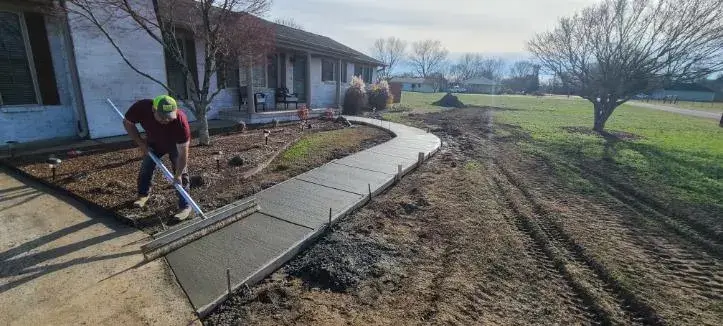
Keep in mind that replacement usually takes longer. Tearing out and pouring may stretch over a few days, depending on the size of the job and the weather, and new concrete generally needs about a week before it’s ready for your car.

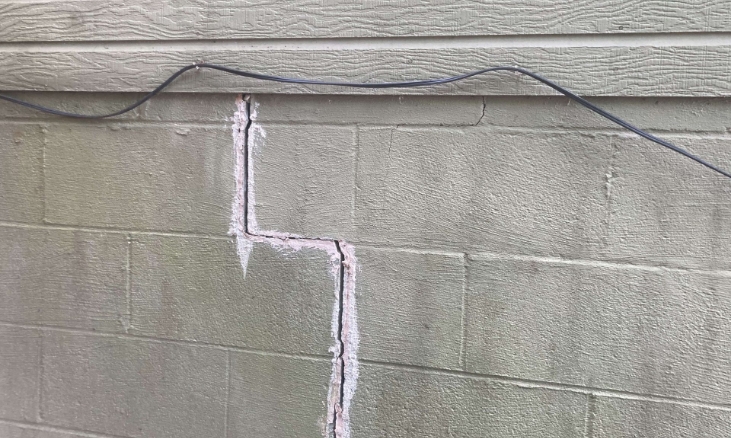
Cracks Outside Your House

What To Check Before You Call

You can get a useful first look in a few minutes. Walk the slab and note:

  • Where it dropped and roughly how much (a ruler at the lip works fine)
  • Whether it’s one piece or broken into several
  • Any crumbling, flaking, or wide cracks
  • Where downspouts and runoff go during rain

Take a few dated photos so you can see whether it’s still moving. Photos can’t show what’s happening under the slab, though. That takes someone on site.

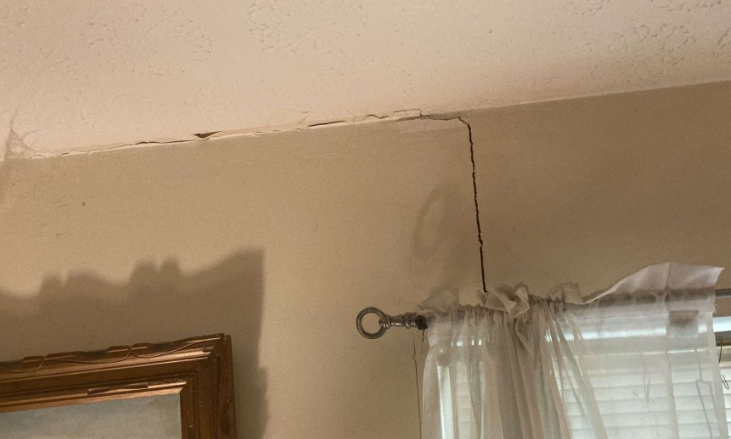
One more thing: driveways, sidewalks, and patios are separate from your home’s foundation. If you’re also noticing doors that stick or drywall cracks inside, that may point to foundation movement instead, which is a different repair than concrete lifting.

FAQs About Concrete Lifting & Leveling

Is Poly Concrete Lifting Cheaper Than Replacing Concrete?

In many cases, yes, because there’s no demolition, hauling, or new concrete. The real number depends on the slab’s size, how far it sank, and how much empty space is underneath. An inspection is the only way to get an accurate price.

How Long Does Poly Concrete Lifting Last?

It depends mostly on what’s happening under the slab. The foam doesn’t wash out the way loose fill can, but if water keeps eroding the soil around it, the area can still move. That’s why we look at drainage on every lifting job.

Can You Lift a Cracked Concrete Slab?

Often, yes. A slab with a few clean cracks can usually be lifted and brought back in line. If it’s crumbling or in many small pieces, replacement is usually the better option.

Can Poly Lifting Fix a Sunken Garage Floor or Pool Deck?

Garage floors, pool decks, patios, driveways, sidewalks, and steps are all common candidates for poly lifting. Each one gets looked at on its own, because the cause and condition vary.

Lift or Replace? Get Clear Answers First


 If your concrete sank but is still mostly in one piece, poly concrete lifting is often the simpler, less disruptive fix. If it's breaking apart, being pushed up by roots, or needs to change shape, replacement is the better long-term choice. Either way, find out why it moved first.

When we come out, we look at the concrete, the soil and drainage around it, and how the slab is supported. Then we explain what we see in plain language, and the decision stays yours. No pressure. We serve homeowners a

Schedule a free inspection with Deep South Construction Pros and get clear answers about your concrete.

State
By checking this box and signing up for texts, you agree to receive informational messages (appointment reminders, account notifications, marketing and promotional messages such as sales, coupons, seasonal deals, etc.) from Deep South Construction Pros at the number provided. Msg & data rates may apply. Msg frequency varies. Unsubscribe anytime by replying STOP. Reply HELP for help or email us at services@deepsouthconstructionpros.com. Learn more on our Privacy Policy and Terms & Conditions page.