Why Alabama Homes Get Crawl Space Condensation in Summer (And How To Fix It)

If you live in Northern Alabama, you already know the July air. It’s thick, heavy, and feels like you’re swimming to your mailbox. While you’re cranking the AC inside, that same humid air is quietly rotting your house from underneath.

Crawl space condensation is the “silent killer” of Southern homes. It starts small: a musty smell or some damp insulation. If you ignore it, you’re looking at mold, sagging floors, and structural repair bills that will make your eyes water.

The good news? It’s fixable. But first, you have to stop treating your crawl space like an attic.

Crawl Space Repairs In Tuscaloosa

Why Crawl Space Condensation Happens in Alabama Summers

Condensation forms when warm, humid air meets a cooler surface. In an Alabama summer, your crawl space is that cool surface.

Think of a glass of sweet tea “sweating” on a porch in Decatur. The glass is cold; the air is hot and wet. In your crawl space:

  • Outdoor air is hot and loaded with moisture.
  • That air enters through foundation vents.
  • Internal surfaces like ductwork or floor joists are much cooler due to your AC.
  • Moisture turns to liquid instantly upon contact.

In towns like Huntsville and Florence, summer humidity routinely climbs above 80%. Bringing that air into a shaded, cool crawl space is asking for a rainstorm under your floorboards.

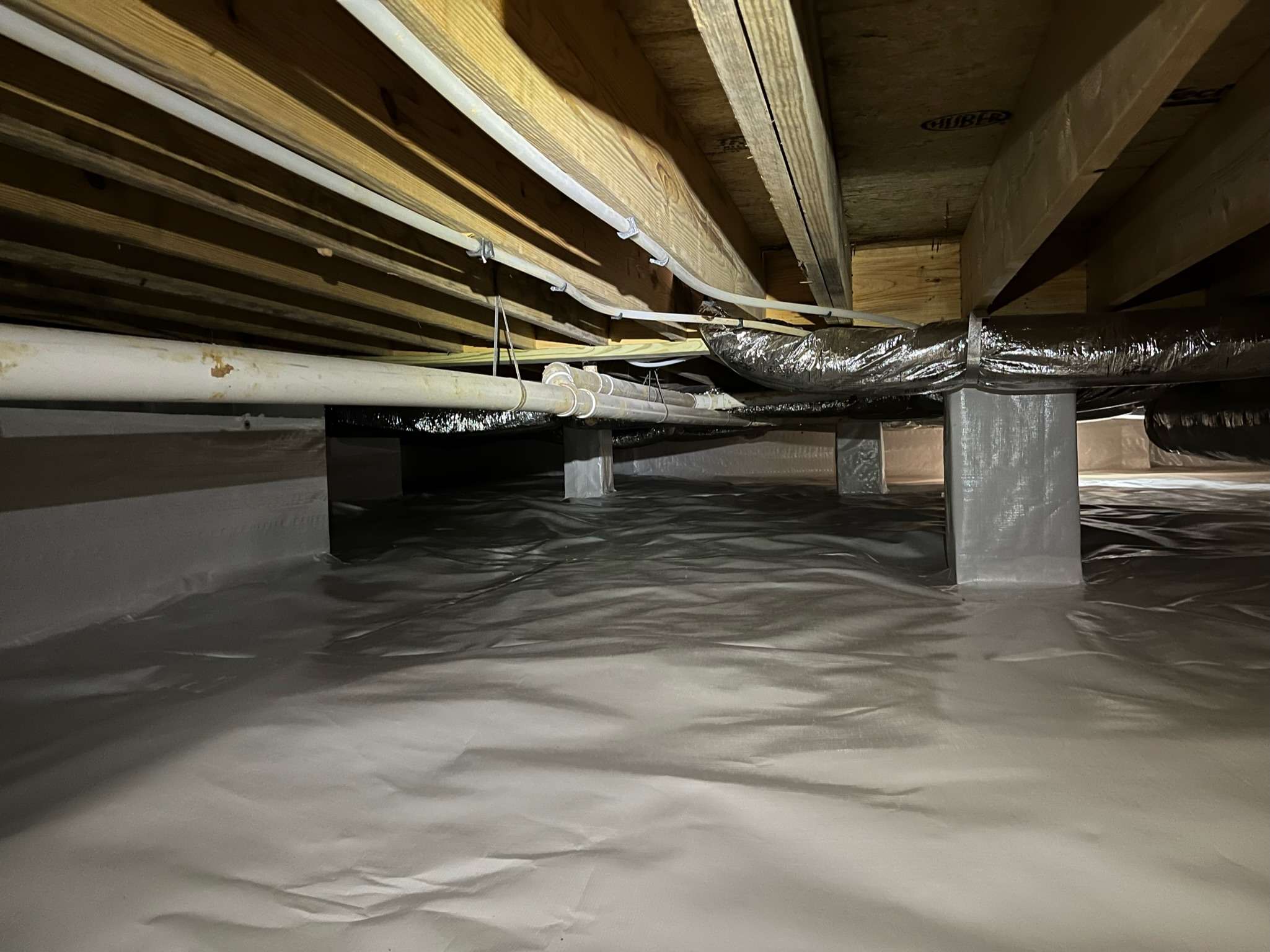
Close-up of a steel support beam installed in a crawl space beneath a home, with insulation and ductwork visible overhead.

The Role of Open Crawl Space Vents

For decades, builders installed vents under the assumption that airflow would keep things dry. In the desert, maybe. In the humid Southeast, the opposite happens. Instead of drying the space, open vents allow humid air to sit and stagnate.

Once that air is inside, it has nowhere to go. It settles on your insulation and wood framing. In Alabama, a vented crawl space isn’t “breathing” – it’s inhaling a swamp.

Temperature Differences Make It Worse

Air conditioning is the primary catalyst. When your home is cooled to 72°F but the outside air is 90°F with high humidity, your crawl space becomes a massive transition zone.

Ductwork running through the crawl space usually “sweats” first. Over time, that repeated dripping leads to:

  • Saturated insulation that loses its R-value.
  • Damp floor joists that begin to soften.
  • The perfect breeding ground for wood-destroying fungi.

Common Warning Signs of Crawl Space Condensation

Many homeowners don’t discover the damage until it’s already advanced. Catching it early can save thousands.

Musty Odors Inside the Home

If your house smells damp or earthy during the summer, the crawl space is the culprit. Because of the “stack effect,” up to 50% of the air you breathe on the first floor actually comes from the crawl space. If there is mold below, those spores are circulating in your bedrooms.

Sweating Ductwork

Visible water droplets on HVAC ducts are a major red flag. This moisture doesn’t just evaporate; it drips onto your wood framing and soaks into your insulation.

Wet or Falling Insulation

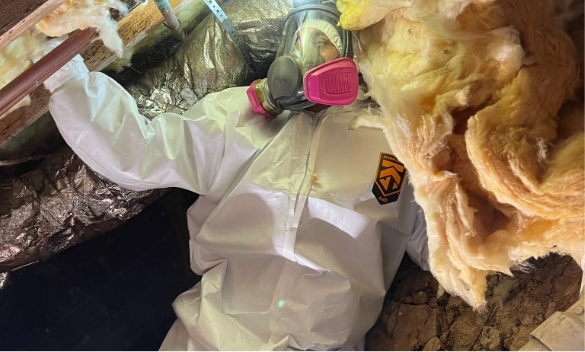
Fiberglass insulation acts like a sponge. When it gets heavy with condensation, it pulls away from the subfloor and hangs like wet rags. If your insulation looks “droopy,” you have a moisture problem.

Mold Growth

Look for black, white, or green discoloration on floor joists. Mold thrives in the dark, damp environments typical of Alabama foundations. Once it starts, it spreads rapidly throughout the wood structure.

Increased Indoor Humidity

If your AC runs constantly but the house still feels “sticky,” your crawl space is likely contributing excess moisture to your living area.

Why Condensation Is a Serious Problem

It may seem like a minor seasonal nuisance, but crawl space moisture is destructive. Left unchecked, it leads to:

  • Wood Rot: Moisture eventually destroys the structural integrity of beams and joists.
  • Subfloor Deterioration: This causes “soft spots” or uneven floors in your home.
  • High Energy Bills: Humid air is harder to cool than dry air. Your AC has to work twice as hard.
  • Foundation Stress: Alabama’s clay soil expands and contracts with moisture. Excess water from condensation can exacerbate foundation shifting.

The longer you wait, the more expensive the remediation. Structural rebuilding is far more invasive than a moisture control system.

Why Alabama Homes Are Especially Vulnerable

Our state presents a unique set of challenges for home maintenance.

Extreme Humidity Levels Our summers are long and oppressive. Unlike drier climates, the moisture in the air doesn’t dissipate at night; it lingers, providing a constant supply of water to your crawl space.

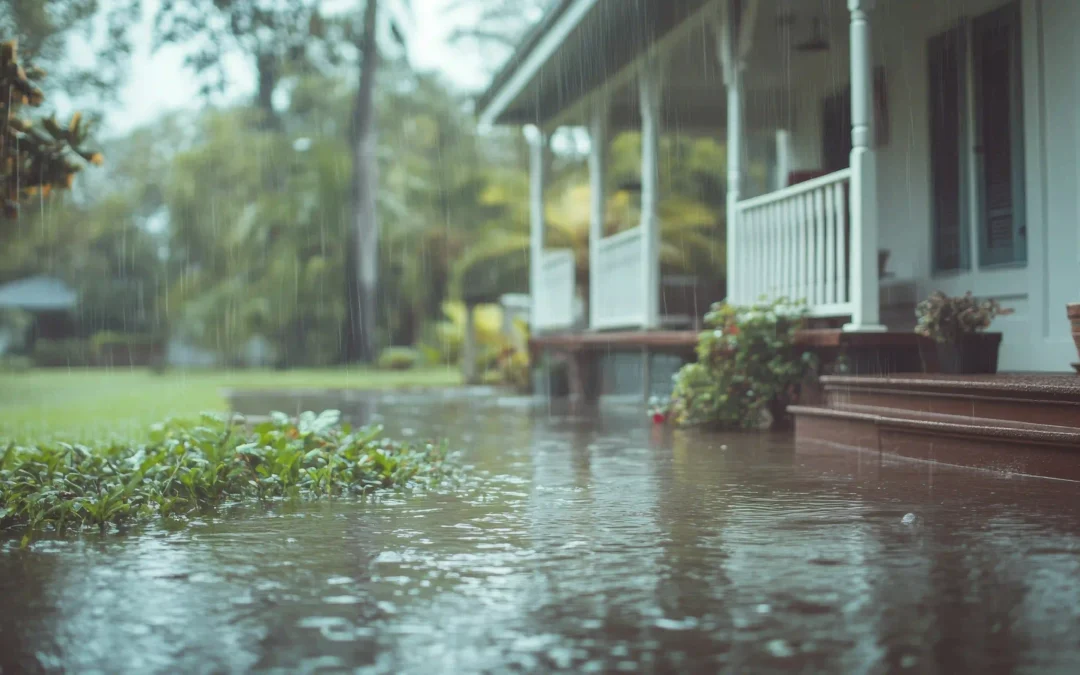
Heavy Summer Rainfall Frequent afternoon thunderstorms increase ground moisture. When the sun comes out and heats that wet soil, the humidity around your foundation spikes even further.

Vented Design Flaws Many older homes in Northern Alabama and Southern Tennessee were built with standard vents. While this met building codes 40 years ago, it has proven to be a failure in modern, air-conditioned homes.

Clay-Rich Soil Alabama clay retains water. It doesn’t drain quickly, meaning the air directly around your foundation stays humid long after the rain stops.


How To Fix Crawl Space Condensation

The solution is not “more airflow.” In fact, adding more vents usually makes things worse. True moisture control requires sealing and conditioning.

1. Crawl Space Encapsulation

This is the gold standard. It involves:

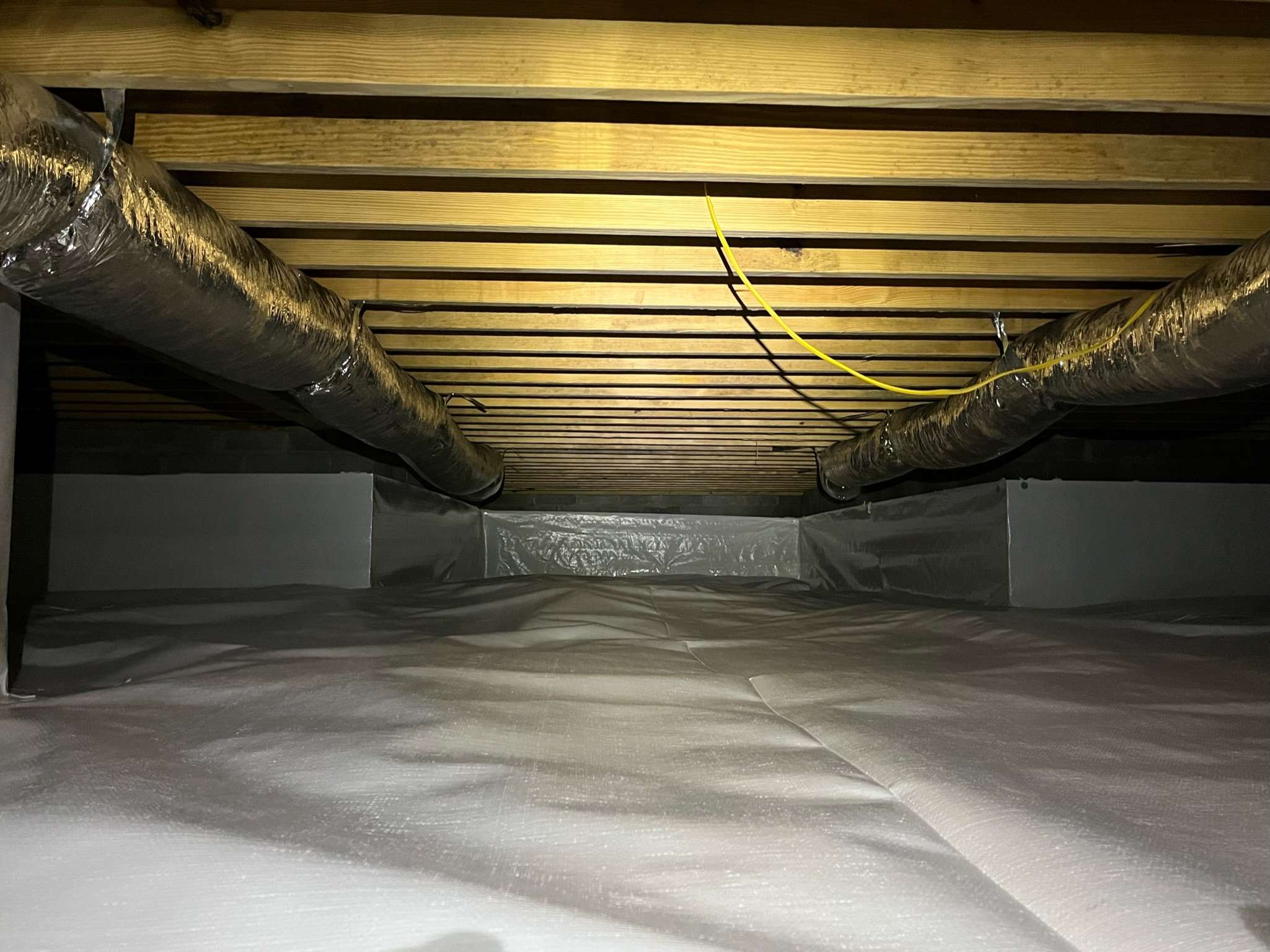
  • Vapor Barrier: Installing a heavy-duty, 20-mil plastic liner over the floor and walls.
  • Sealing Vents: Closing off the foundation vents to prevent humid air from entering.
  • Sealing Gaps: Using spray foam or caulk to close off any air leaks from the exterior. This transforms the crawl space from a “tempted exterior” into a controlled, interior-like environment.

2. Professional Dehumidification

Once the space is sealed, you must manage the existing air. A standard home dehumidifier won’t survive a crawl space. You need a commercial-grade unit designed for high-capacity moisture removal. This keeps the relative humidity below 60%, which is the “magic number” to prevent mold growth.

3. Proper Drainage

If you have standing water or “puddling” after a storm, you need a drainage solution. This often includes:

  • French Drains: To intercept groundwater.
  • Sump Pumps: To actively pump water away from the foundation.
  • Gutter Extensions: To ensure roof runoff isn’t dumping right next to your crawl space.

4. Sealing Ductwork

Insulating and sealing your HVAC ducts prevents them from reaching the “dew point.” This stops the sweating before it starts and improves your home’s energy efficiency.

Crawl Space Encapsulation And Dehumidification In Asheville, Al A Comprehensive Humidity Solution (4)

Is It Expensive To Fix?

The cost depends on the size of the space and the level of existing damage. Factors include:

  • Square Footage: Larger homes require more materials.
  • Existing Mold: Remediation must happen before encapsulation.
  • Structural Repairs: If the wood is already rotting, it may need “sistering” or replacement. While encapsulation is an investment, it’s significantly cheaper than a full mold remediation and structural rebuild. It also increases your home’s resale value, as savvy buyers now look for sealed crawl spaces during inspections.

Can You Prevent Condensation?

Yes. If your crawl space is currently dry, you can keep it that way with proactive maintenance:

  • Keep Gutters Clean: Water overflowing from gutters is a leading cause of crawl space moisture.
  • Slope the Soil: Ensure the ground around your home slopes away from the foundation.
  • Monitor Humidity: Buy a cheap hygrometer and check the levels under your house once a month. If it’s over 65%, you have a problem.
  • Fix Leaks Immediately: Even a small plumbing drip can skyrocket humidity levels in a confined space.
Crawl Space Encapsulation And Dehumidification In Asheville, Al A Comprehensive Humidity Solution (6)

Why Professional Assessment Matters

Every home is different. One house might have a grading issue, while the neighbor has a ventilation issue. A professional inspection identifies the specific “entry points” for moisture. Guessing at a fix, like buying a cheap fan or closing vents without a liner, often results in wasted money and trapped mold.

Protect Your Alabama Home This Summer

Crawl space condensation isn’t just a seasonal annoyance; it’s a threat to your foundation. Alabama’s humidity won’t solve itself. A properly sealed and conditioned crawl space protects your investment, improves your air quality, and lowers your power bills.

Don’t wait until the floors start to sag. If you smell that musty “Alabama basement” scent, it’s time to look under the house.

FAQs About Crawl Space Encapsulation

Why does my crawl space get condensation in summer but not winter?

In winter, the air is dry. In summer, the air is “saturated.” When that saturated air hits your cool floors, it has no choice but to turn back into water.

Is condensation the same as a water leak?

No, but the result is the same. Condensation is “air-borne” water, while a leak is “pipe-borne.” Both will rot your wood and grow mold.

How do I know if my humidity is too high?

Healthy crawl spaces stay below 60% humidity. If yours feels “muggy” or smells like dirt, you’re likely well above 80%.

Will closing my vents stop the problem?

Not by itself. If you close the vents but don’t have a vapor barrier on the dirt floor, you’ll trap the ground moisture inside, creating a “greenhouse” effect for mold.

Is encapsulation worth it?

In Alabama, absolutely. Because of our clay soil and extreme humidity, a vented crawl space is a ticking time bomb for most homeowners.

Keep Moisture Out of Your Crawl Space


Protect your Alabama or Tennessee home with expert crawl space encapsulation. Contact Deep South Construction Pros today for a custom quote and lasting peace of mind.

State
You agree to receive informational messages (appointment reminders, account notifications, etc.) from Deep South Construction Pros at the number provided. Msg & data rates may apply. Msg frequency varies. Unsubscribe at any time by replying STOP and no further messages will be sent. Reply HELP for help or email us at services@deepsouthconstructionpros.com Our Privacy Policy Page
You agree to receive informational messages (appointment reminders, account notifications, etc.) from Deep South Construction Pros at the number provided. Msg & data rates may apply. Msg frequency varies. Unsubscribe at any time by replying STOP and no further messages will be sent. Reply HELP for help or email us at services@deepsouthconstructionpros.com
Our Privacy Policy Page