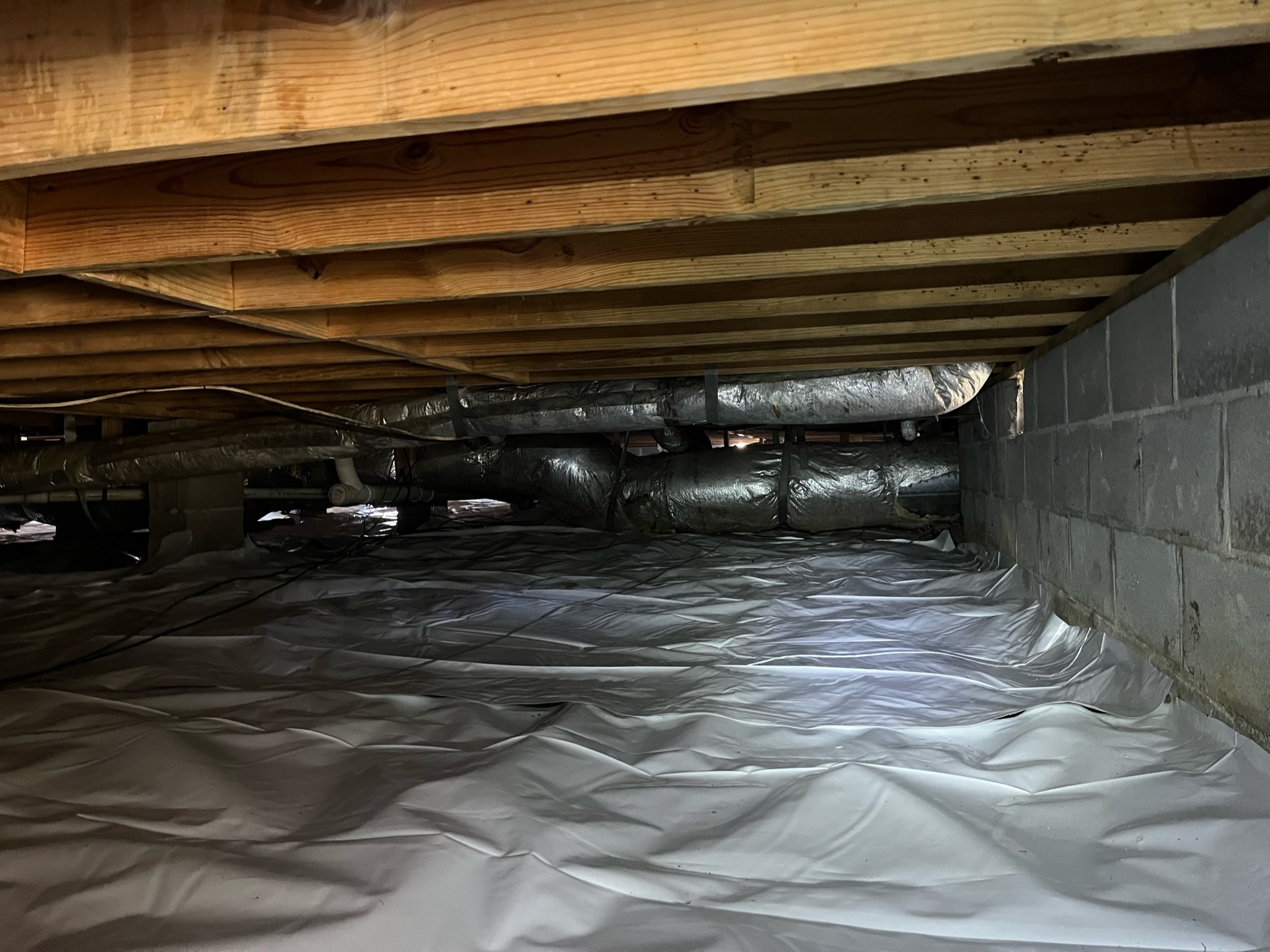
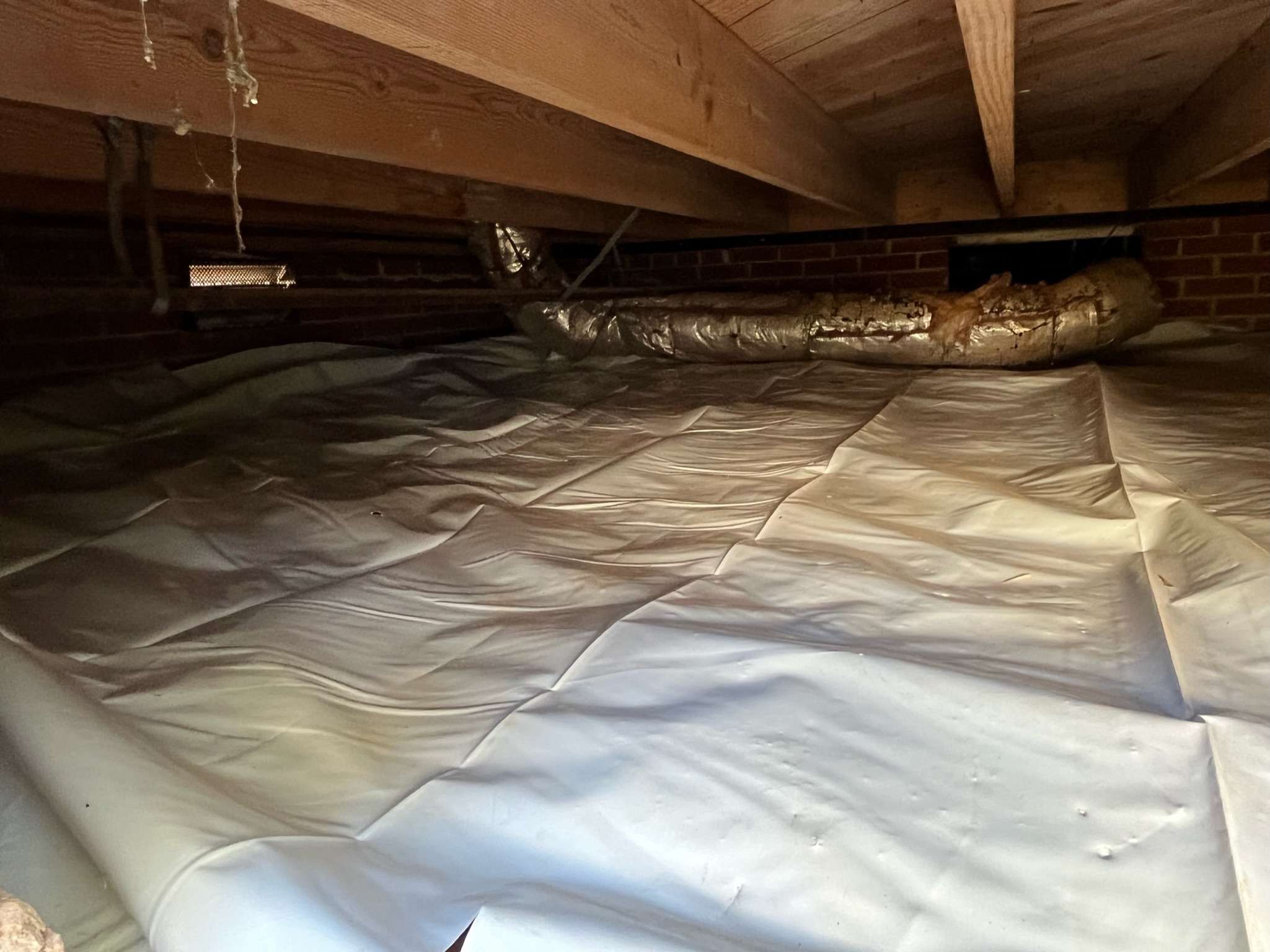
Sagging Floors:
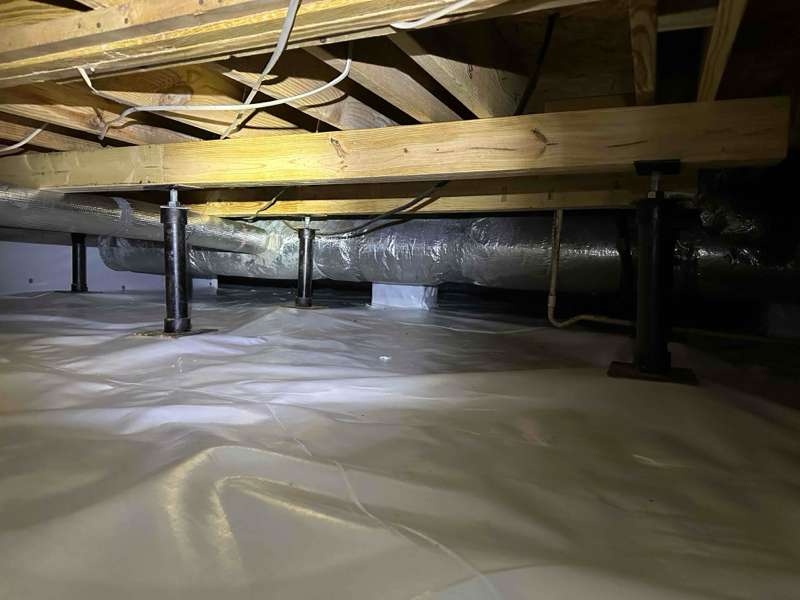
Uneven or drooping floors can signal that your crawl space supports are weakened—often due to prolonged exposure to moisture. Alabama’s humid climate accelerates wood rot and structural deterioration.Water Damage:
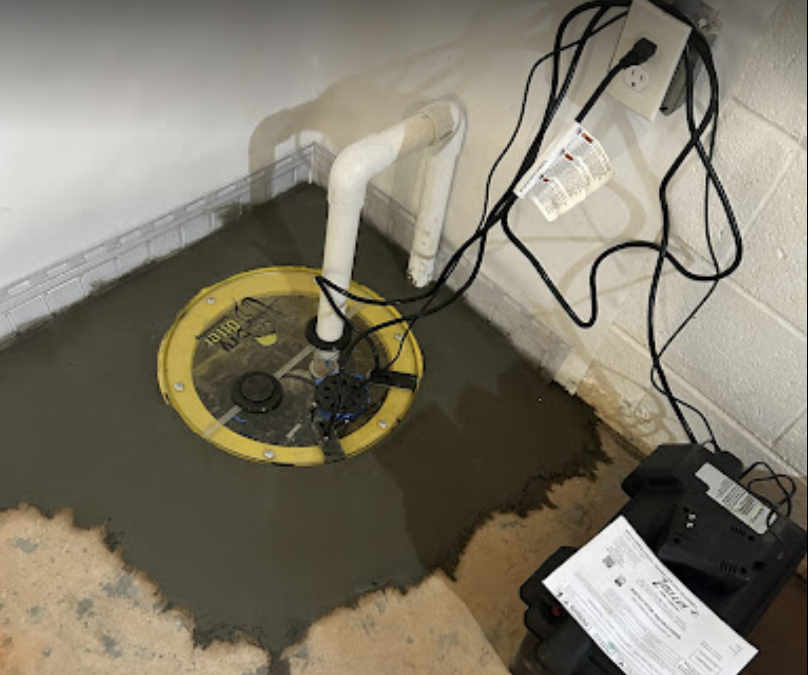
Dark stains, watermarks, or deteriorated wood in your crawl space indicate active water intrusion. Left unaddressed, this can compromise your home’s foundation and invite mold growth.Musty or Stale Odors:
A persistent musty smell indoors often starts in the crawl space. This is a red flag for hidden mold, mildew, or standing water below your home.High Humidity:
If your home feels muggy even with good airflow, excess crawl space moisture may be to blame. High humidity can affect comfort, air quality, and energy use.Rising Energy Bills:
An unsealed, uninsulated crawl space allows outside air to disrupt your indoor temperatures. This forces your HVAC system to work harder, increasing monthly energy costs.Mold and Allergy Symptoms:
Crawl space mold doesn’t stay contained—it travels through the air you breathe. Allergies, asthma, and other respiratory issues often worsen when mold spores circulate from below.