What’s Happening Behind Your Basement Walls
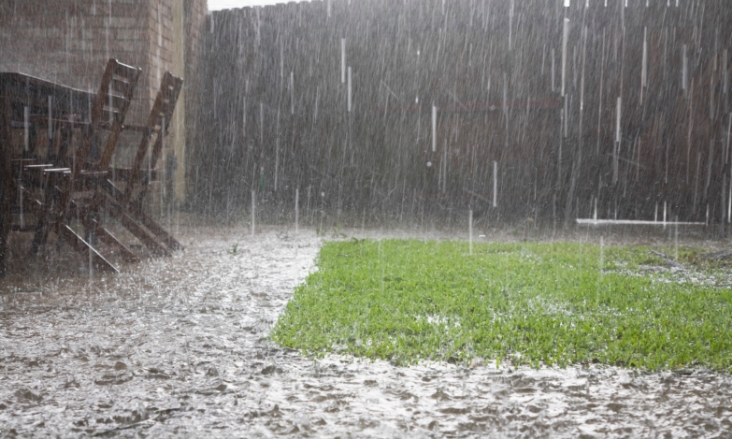
When heavy rain hits, the soil surrounding your foundation absorbs water quickly. In Alabama, where clay-heavy soil is common, that ground doesn’t drain the way sandy or loamy soil would. Instead, it holds moisture and swells, pressing tightly against your basement walls. The more saturated the soil gets, the more pressure builds against the foundation.
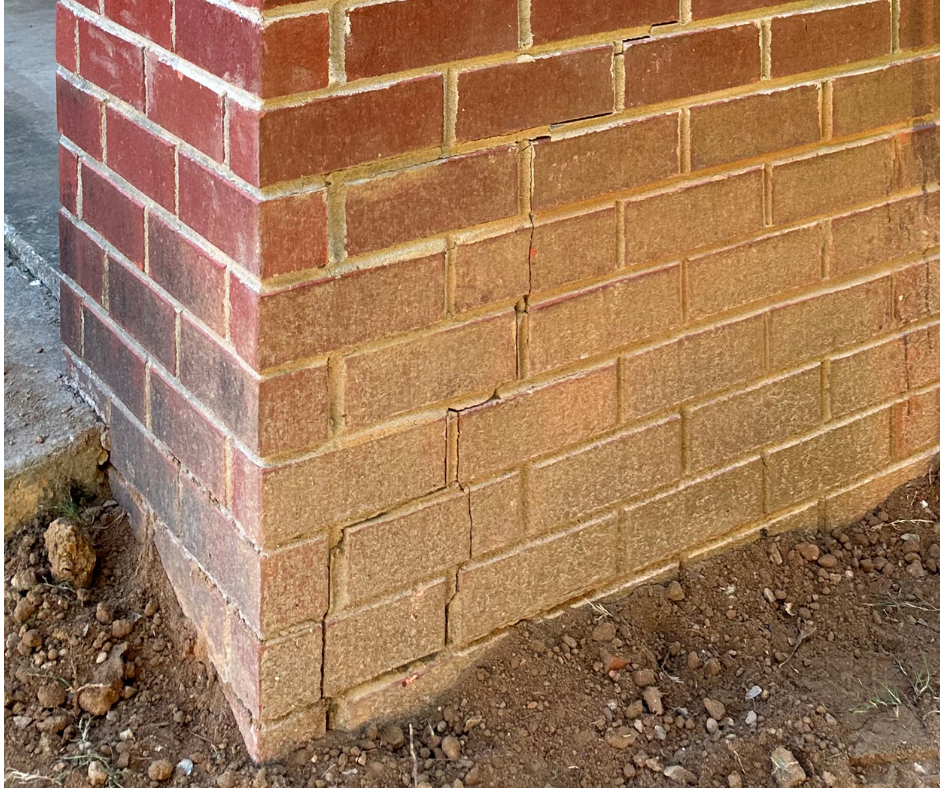
That pressure is called hydrostatic pressure, and it’s the main reason basements leak after storms. When the pressure is high enough, water finds its way through any available path, whether that’s a hairline crack, a porous section of block, or the joint where the wall meets the floor.
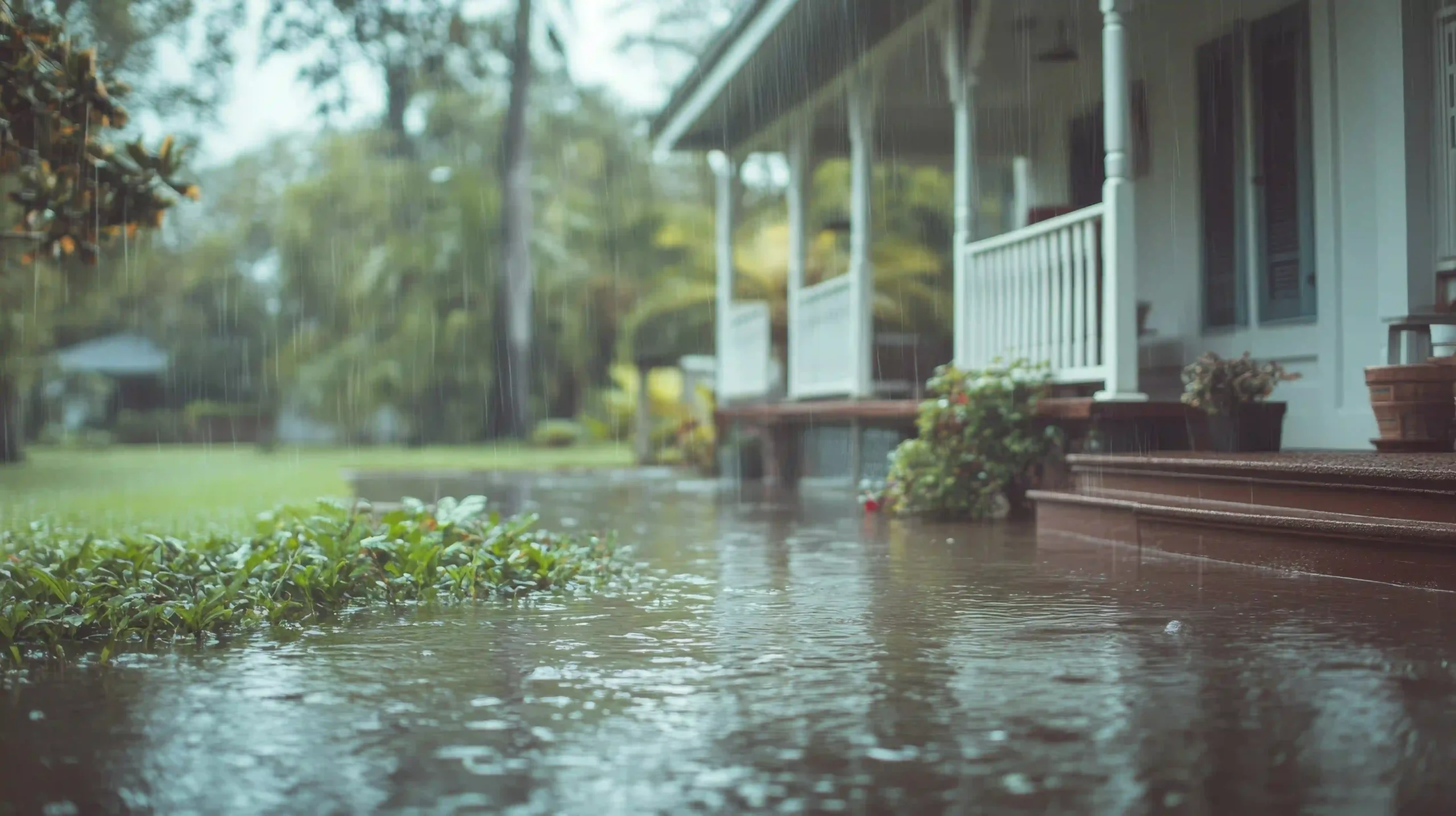
This is also why the problem tends to show up specifically after heavy rain rather than during lighter showers. Light rain may not saturate the soil enough to create meaningful pressure. But when Birmingham gets hit with a few inches in a short window, the volume overwhelms the ground’s ability to absorb and drain, and that’s when basements take on water.